
About Bishopthorpe, York
Bishopthorpe is a beautiful village dating back to the 12th century, making it a perfect holiday destination just on the outskirts of York.
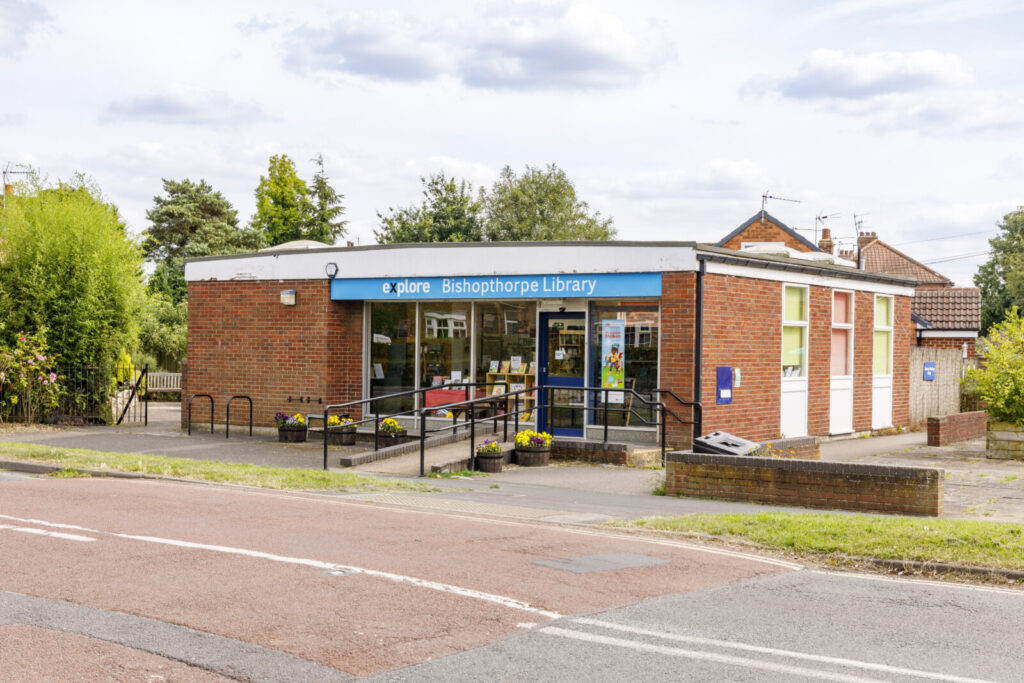
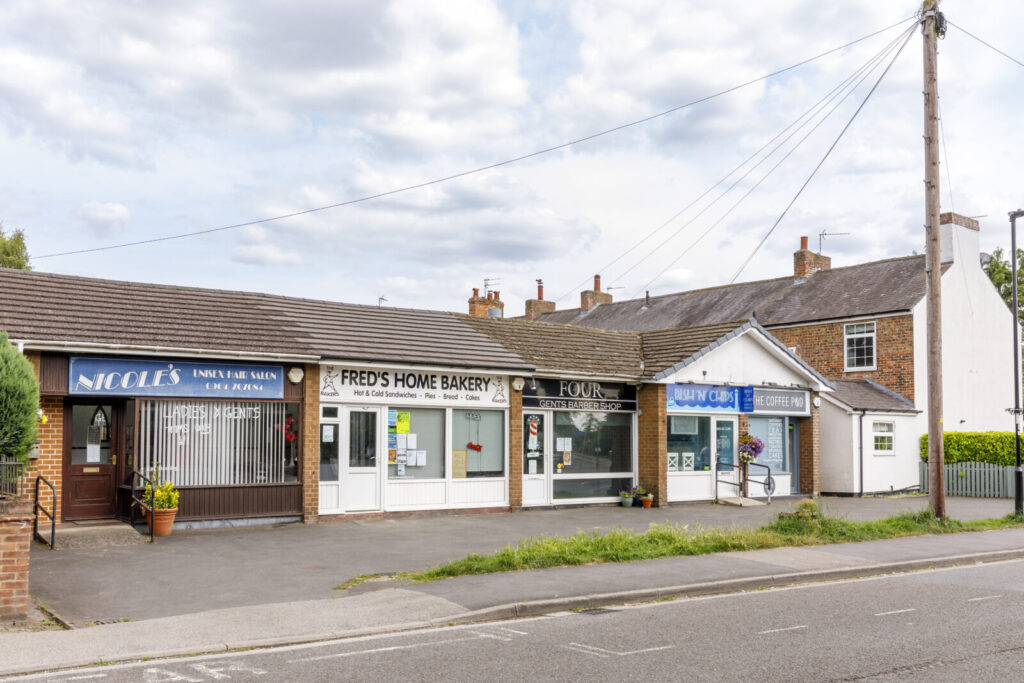
The village of Bishopthorpe itself is a 5 minute walk from the Riverfront and is home to, a small Co-Operative supermarket, butcher's, bakery, fish & chip shop, newsagent's, sandwich shop, library, Explore Bishopthorpe Library, pharmacy, barber and a parish church as well as three pubs and a sports & social club. For a wider choice of shops and restaurants, the Designer Outlet shopping complex is a 10-minute drive away.

York is a town steeped in history, founded by the Romans, occupied by the Vikings, a trading centre in medieval times, and a hub of the industrial revolution with important rail links and, importantly, chocolate factories!
All of these changes are visible in the fabric of the town and in the many sites and museums you can visit during your stay.
York also has a lively food scene with a huge range of both independent and well-known restaurants and cafes.
The Riverfront is also a 20-minute walk from York racecourse where important race meets occur throughout the horse racing season, from May until October. The racecourse is also the site of one of the largest car boot sales in the area, where you can grab yourself a bargain early every Saturday morning (apart from during race day meetings) until around 1pm from late April until the end of October.
Bishopthorpe palace, the beautiful home of the archbishop of York, is a Grade I listed building visible from the embankment, though unfortunately it is not open to the public.

Getting Around The Riverfront, Bishopthorpe and York.
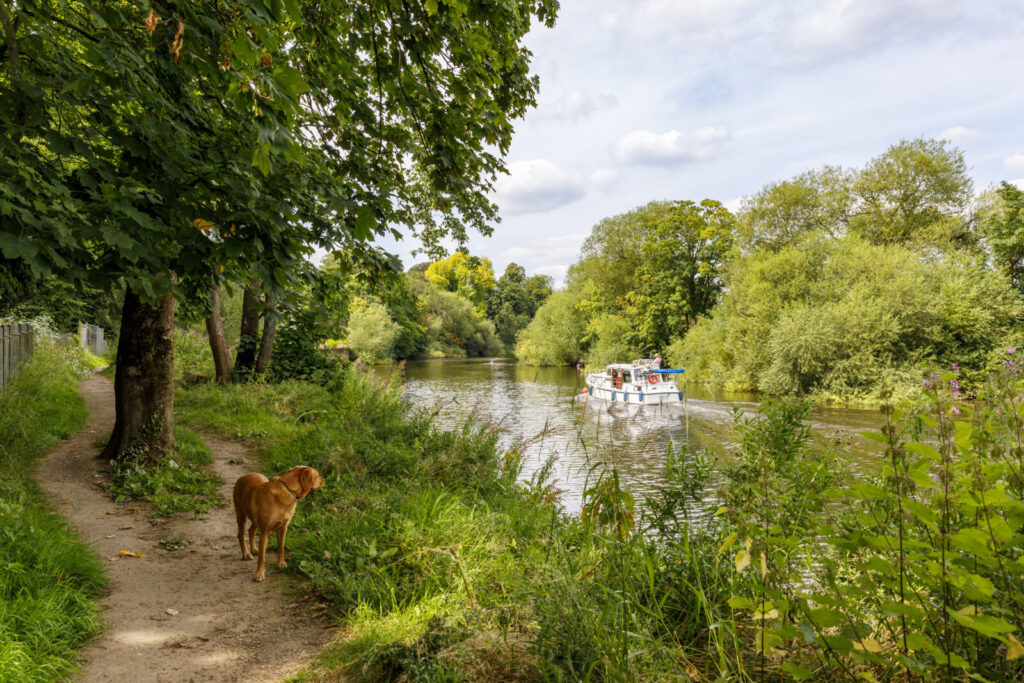
You can amble along the river path all the way to York city centre, a path also suitable for cycling if you have tyres with a little bit of tread! It is also possible to take bikes on the road, or the path alongside it, into York. On foot, it takes around one hour.
The drive into York city centre usually takes around 10 or 15 minutes. Taxis are easy to get hold of and cost about £9-11. Alternatively, buses to and from the village (the bus stop is around a 5-minute walk from The Riverfront) to York station and leaves every 30 minutes (every hour in the evening) and the trip takes around 25 minutes. They run until around 11pm.
For bus timetable information; Bishopthorpe – Bus Times
Other things to note:
Children
Children are very welcome at The Riverfront. They are welcome to use the children’s play area and can join adults on the boats. Where required, high chairs and cots can be provided on request.
However, we would like to note that there are certain potential hazards for children that parents and guardians should be aware of when using the facilities onsite most notably the proximity to water. Children should be supervised at all times and are the full responsibility of those they are travelling with.
Flooding
Very occasionally the River Ouse floods which can bring some difficulties accessing the site. If you have booked to visit us and access to The Riverfront site isn’t possible we will offer to rebook your reservation at Bosun’s, your Unique Stay or planned visit to our Caravan & Motorhome Park.
Bishopthorpe River History
The Village by the River
The village we now know as Bishopthorpe has undergone many changes of name. In the twelfth century it bore the name that indicated its river-side location: Thorpe - on - Ouse. In 1202 the monks of the priory of St. Andrew, near Fishergate, York, probably built the first church here on the bank of the River Ouse and dedicated it to their patron saint. Gradually, the name changed to Thorpe St. Andrew or Andrewthorpe.
Bishopthorpe at last!
The most significant name change for the village came when the Archbishop of York, Walter de Gray, decided to build a new residence in this quiet, rural place which gave him easy access to the city by road and river. In 1226 he bought land in the village next to the Ouse from the prior of Kirkstall Abbey. By 1241 he had built a manor house and chapel for himself and the future Archbishops of York, and it conveniently neighboured the parish church of St. Andrew. Once again, the village name slowly changed, this time to Bishopthorpe, to indicate its distinguished residents.

The River takes its toll: The Second Church of St. Andrew
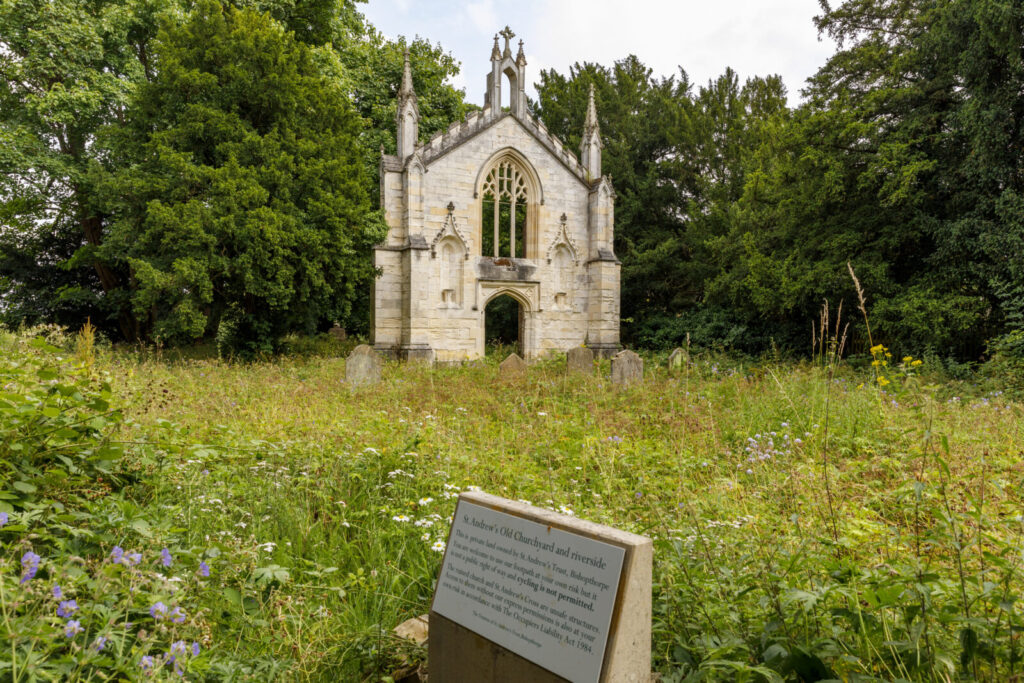
In the 1760s Archbishop Drummond transformed de Gray’s manor house into something more palatial, leaving the chapel unchanged, but little else. At the same time he demolished the first riverside church and, on the same site, built a new place of worship, also named for St. Andrew. After only 70 years this church was described as ‘ruinous’. Four years later, in 1842, the river wall near the church was rebuilt and strengthened, indicating the harm the river was causing. Unfortunately, the problems continued and, by the end of the century, Archbishop Maclagan and the local clergy reluctantly gave up the site. The church was demolished except for the west front and a third church built, at last, further inland away from the ‘continued encroachments of the river’ and where it can still be found.
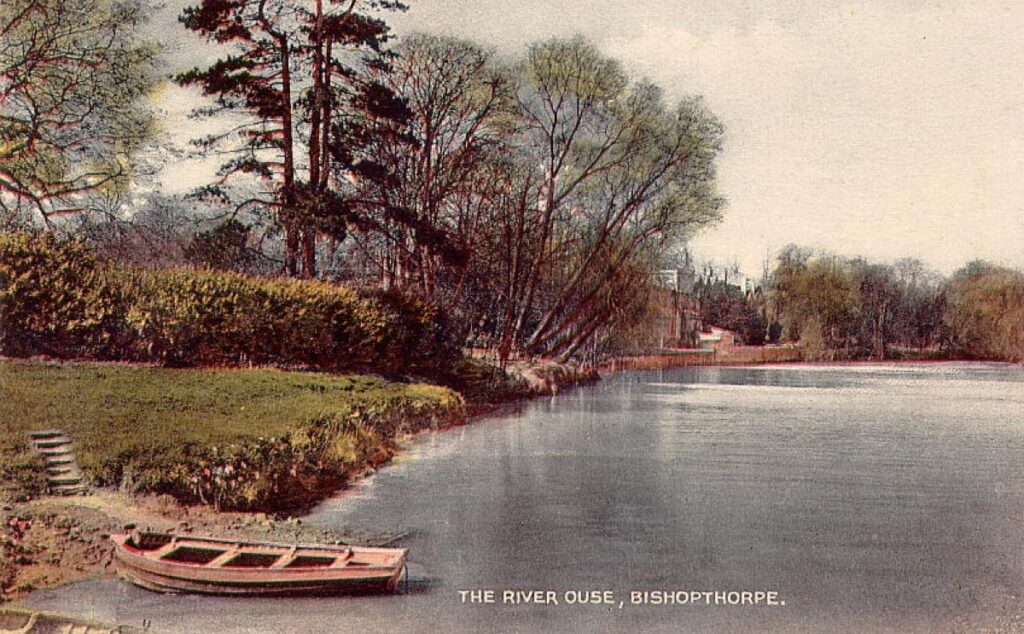
Coping with the Floods
Living by a river may seem picturesque but, it has its drawbacks. Whenever the Ouse flooded, it was not only the church that suffered; houses were swamped as Main Street turned into a lake. In the summer of 1903, the Reverend Pennyman wrote that it was the wettest they had ever seen and joked: “We are starting a public subscription for a village punt to convey us to church.”
The villagers of Bishopthorpe remember only too well the dreadful winter of 1947, having to endure weeks of snow and ice. The slow thaw that followed caused havoc, particularly for two houseboats moored at the river’s edge. The flooded river reached such a height that they were soon stranded. One of them contained an elderly couple, Mr. and Mrs. Piccaver. The fire service was called out but did not dare attempt a rescue. Eventually, Mr. Geoff Hudson, a local resident who had served in the navy, set out to fetch them in a rowing boat.
Mr. Hudson managed this successfully but for one thing - when he rowed over to save Mrs. Piccaver, she screamed at him that her dog had fallen into the river and she was not getting in his boat until the dog was rescued. Mr. Hudson had to reassure her that he would go back for the dog but needed to get her ashore first. The distraught Mrs. Piccaver eventually complied and once she and her husband were safely on dry land, he set out for the dog. By this time it had drifted well down stream – nonetheless, he did succeed in bringing it ashore. A few weeks later, the West Riding Constabulary sent Mr. Hudson a letter of commendation for his bravery but, for rescuing the dog rather than the Piccavers!
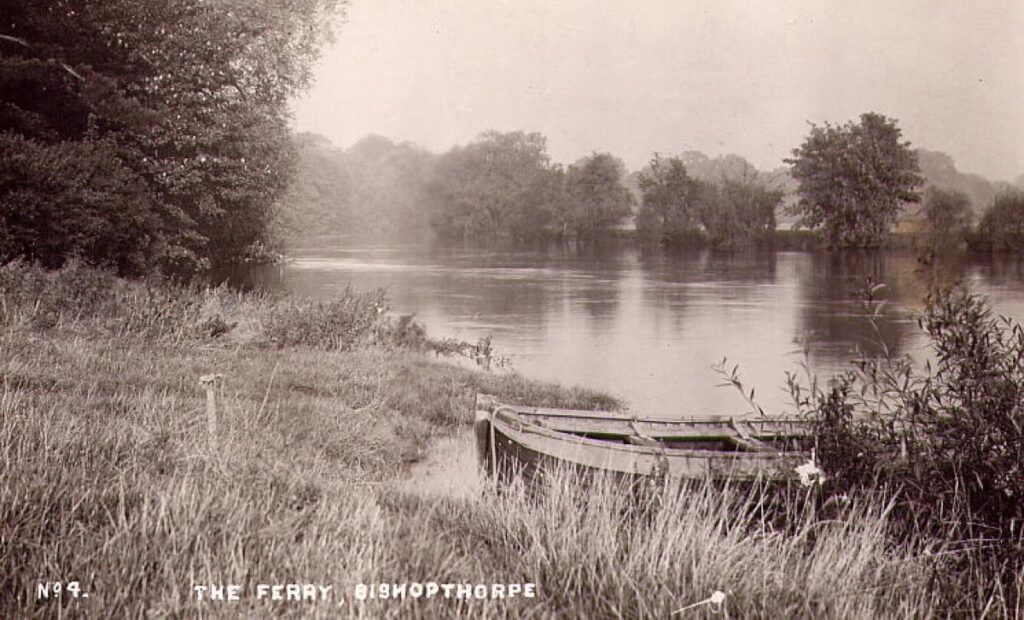
The Ferry and Ferry Cottage
The Bishopthorpe ferry started at the end of the eighteenth century by Mr. Dixon, the tenant of the Chantry (a small house situated close to the church but since demolished). In the first instance he bought a boat to catch eels for his wife to sell in York, but he was frequently asked to give lifts to land passengers on the other side of the river. It would seem that the ferry became established once he obtained permission to set up a landing place on the Fulford side of the river.
The ferry became well used and, in 1822, the vicar built a cottage for the ferryman close to the river landing near the foot of what became known as Ferry Lane. In 1898 the ferryman, James Sanderson, became a hero when he rescued two young men in the middle of the river. Their boat had been capsized by the ‘by-wash’ from a passing steamer.
The ferry remained in use until the threat of invasion came with the Second World War. Following the end of the war, it was not considered worthwhile to start it again.
Bishopthorpe: ‘The Resort of People Intent on Pleasure’
During the nineteenth century Bishopthorpe was considered to be an attractive and even a fashionable place to visit. The Palace pleasure grounds could be visited by arrangement with the head gardeners while the various Archbishops were away. In summer, the flower-filled cottage gardens in Main Street were much admired by the citizens of York who thought nothing of strolling the two or three miles to the village. They also relaxed in the tea gardens behind the three inns where they could enjoy refreshments of all varieties!
If they did not wish to walk, a more leisurely journey could be made by steam-packet. River excursions from York were very popular at weekends and holidays, especially when a string band accompanied them. Passengers to Bishopthorpe Landing near the ferry were charged a return fare of one shilling each. The excursionists were not always welcome; parishioners considered them to be a nuisance and a great annoyance, especially if they had consumed quantities of more than just tea! By 1894 some residents had grown so tired of the regular invasions that complaints were made to the District Council. However, the grievances were ignored which probably meant that the village innkeepers breathed a quiet sigh of relief!
The Frozen River Ouse
Long gone are the days when the River Ouse completely froze over, enabling the people of York and surrounding villages to use it as a playground and thoroughfare. The severe winter of 1874, for example, provided an uninterrupted frozen route from York to Naburn lock, a distance of six miles. In his diary in January 1875, wine merchant William Henry Cooper wrote of skating from his home in Bishopthorpe along the river to his warehouse in Skeldergate, York.
Twenty years later a strange hockey match was played on the frozen Ouse below Naburn Railway Bridge between two cricket clubs: the York Revellers and Bishopthorpe. The Revellers won easily, four goals to nil.
What to do with the Drowned
People who live next to a river find that they are sometimes faced with the unpleasant task of dealing with the bodies of people who have drowned in an accident or who have, sadly, committed suicide. Over many years, Bishopthorpe residents have discovered several bodies caught in vegetation on the parish bankside which have floated downstream from York. These occurrences were usually reported in some detail in the newspapers. Residents were obliged to carry the bodies to one of the village inns where they were kept until the coroner arrived and held an inquest. The jury of local men listened to the evidence of a doctor and other witnesses before deciding on a verdict as to the cause of death. Following the inquest, many of the drowned were buried in the local churchyard.
In 1925, the landlord of The Marcia had had enough. He told the police constable that the shed he provided for the bodies would no longer be made available. It was very unsanitary and unpleasant and several young children had recently been found looking at a corpse. To resolve the problem the Rural District Council built a small mortuary down by the river bank. Eventually bodies were removed to York and the building fell out of use, but it remained there until 1969 when it was demolished. However, the mortuary sometimes had a second use as local schoolboys found it a perfect place to meet and have a secret smoke!
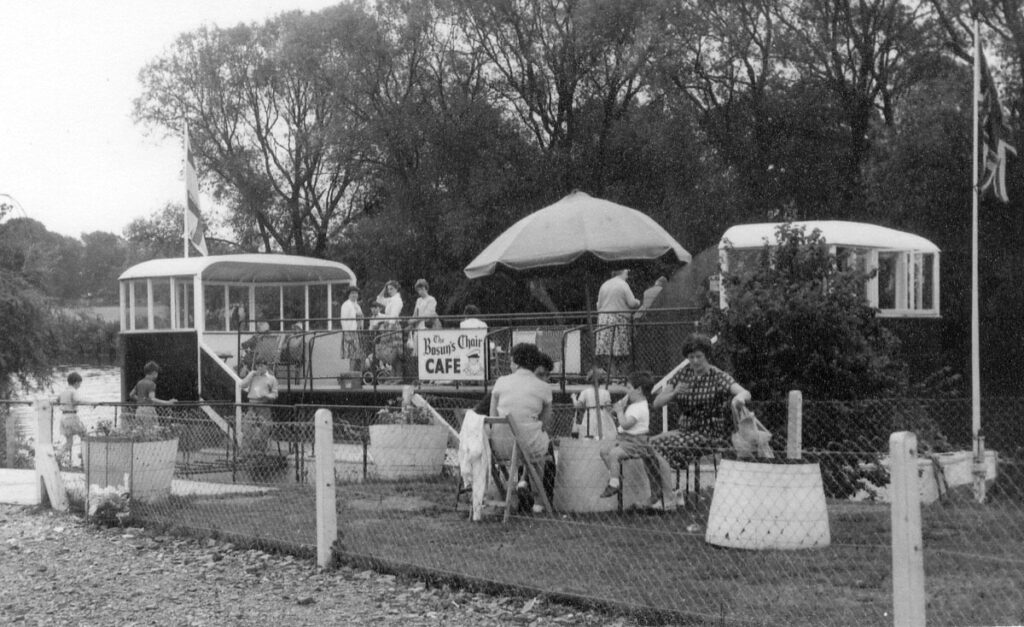
The Bosun’s Chair and Further Riverside Developments
As the 1960’s dawned, Bishopthorpe resident, Bert Tait, opened a floating café on the village water front which he named, The Bosun’s Chair. He had been inspired by double-decked river cafes while holidaying in Sweden. Having bought some church land by the river he next purchased an old sand barge which had been laid up at Tadcaster. It took six weeks to get it to Bishopthorpe but once installed at its new moorings, the barge was transformed; a top deck was added and gallons of blue and white paint made it look like new.
With the help of friends and neighbours, Mrs. Olive Tait served home-made teas and ices in the café. Archbishop Ramsey and his wife were regular customers and enjoyed walking from the Palace to have coffee.
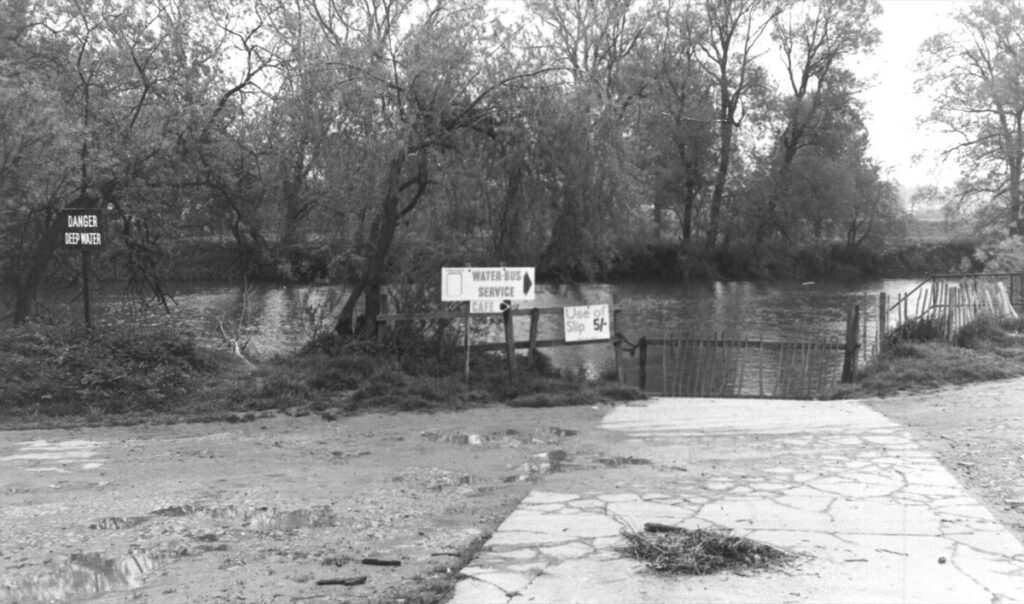
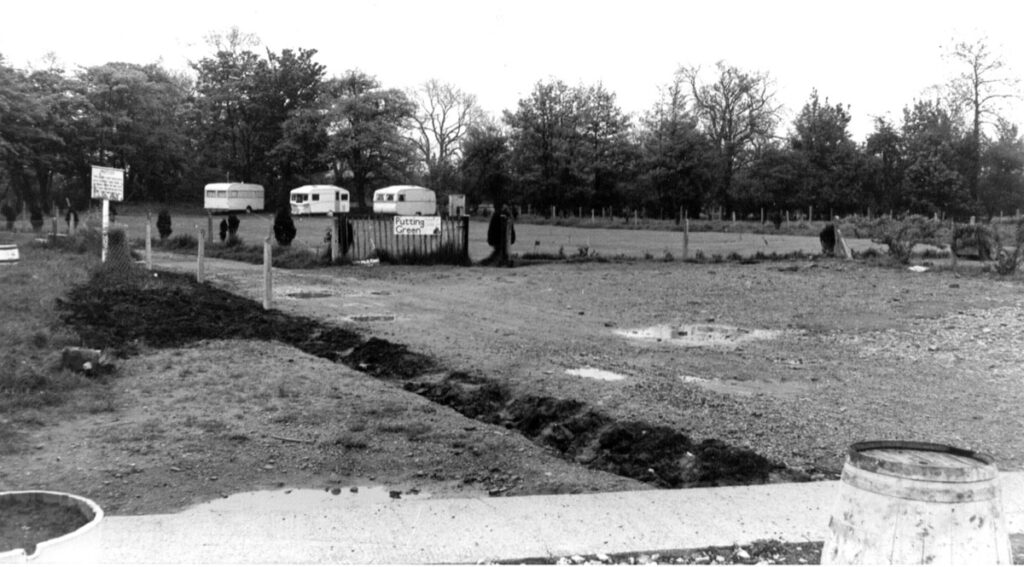
Mr. Tait put the café, land and pleasure boats up for sale in 1968. A few years later, the Bosun’s Line Leisure and Holiday Complex introduced a riverside improvement scheme with provision for several floating pontoons and a concrete slipway. On the land a camp site and miniature railway were provided for holiday makers but, in 1972, the biggest innovation was the opening of the £20,000, eight-sided restaurant named, L’Octogone.
Over the years, the restaurant changed hands a number of times: in 1982 the Italian chef, Silvano Scanu bought L’Octogone and renamed it The Birdcage. Later in the 1980’s it became the Bishop’s Licensed Riverside Restaurant which, by 2000, had altered to Bishop’s River Cantonese Style Chinese Restaurant. After the restaurant had been closed for some considerable time, it opened at The Boatyard in December 2021, neatly nodding to its former floating café ancestor, by being named the Bosun’s Restaurant.
Credit; Thank you to Linda at Bishopthorpe Local History Group for the words and to Bishopthorpe Community Archive for the photographs.


